

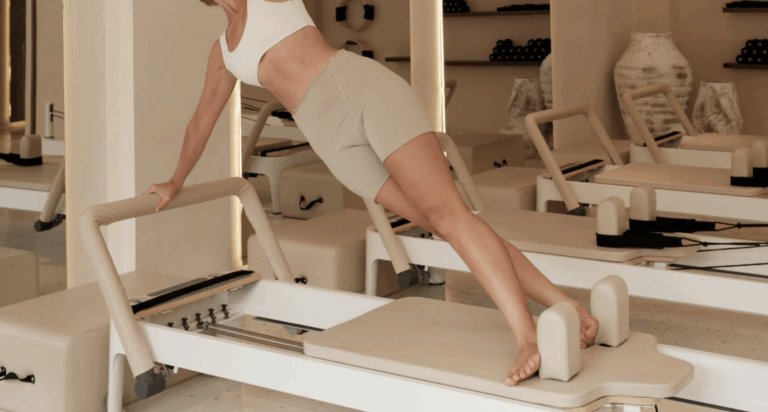
Pilates has long been praised for its ability to create lean, sculpted muscles and improve posture—but in recent years, it’s stepped back into the spotlight in a whole new way. Once seen as a slower, gentler alternative to more intense workouts, Pilates is now gaining serious recognition for its strength-building power, deep core activation, and functional mobility benefits.
If you’ve yet to explore the world of Pilates, consider this your sign. It’s not just about the aesthetic—it’s about strength from the inside out.
What Is Pilates, Really?
At its core, Pilates is a low-impact form of movement focused on controlled, intentional exercises that target deep muscle layers—especially the core, glutes, back, and pelvic floor. It can be done on a mat or using equipment like the Reformer or Cadillac, with slow, precise movements that challenge stability and strength.
It’s not about burning out—it’s about waking up muscles you didn’t know you had.
The Benefits Go Beyond the Mat
What makes Pilates truly cult-worthy isn’t just its sculpting power—it’s how it transforms how you move, feel, and carry yourself in everyday life.
Core Strength: Pilates trains your deep abdominal muscles and spinal stabilizers, leading to better posture and reduced back pain.
Long, Lean Muscles: Repetition and resistance help tone without bulk.
Improved Flexibility: Movements lengthen muscles while building control.
Mind-Body Connection: Like yoga, Pilates requires full-body awareness and breath coordination, making each session a grounding, mindful experience.
Joint-Friendly: Its low-impact nature makes it accessible for all ages and stages, including those recovering from injury.
Reformer vs. Mat: What’s the Difference?
Mat Pilates uses your own body weight for resistance, focusing on control and stability. It’s accessible and equipment-free—perfect for home practice.
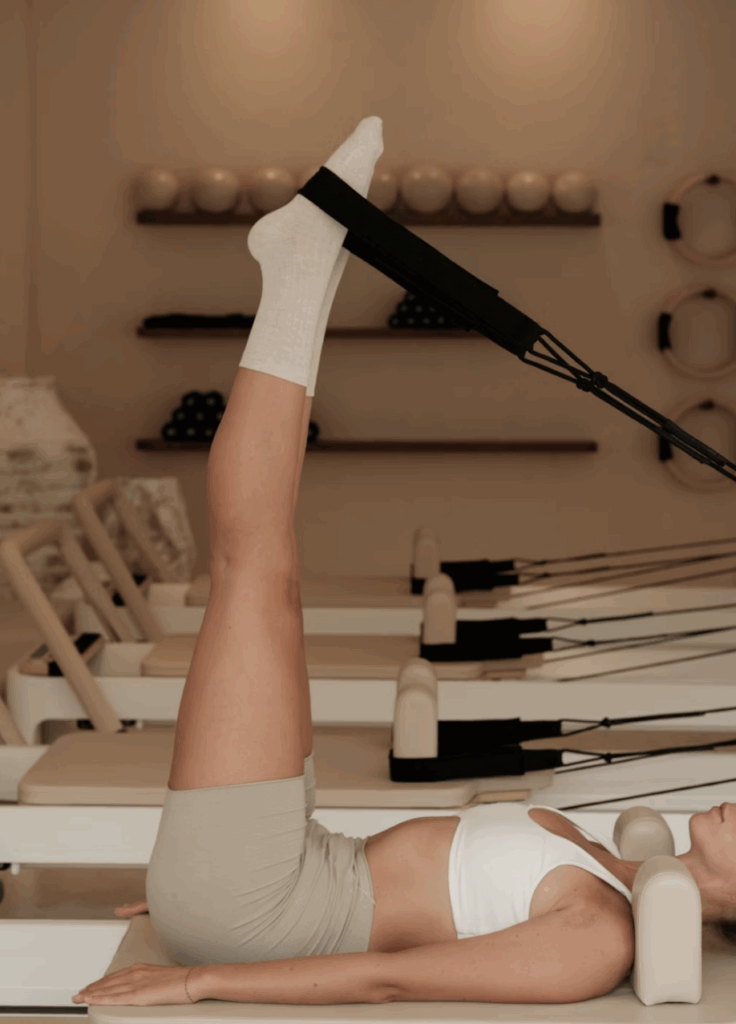
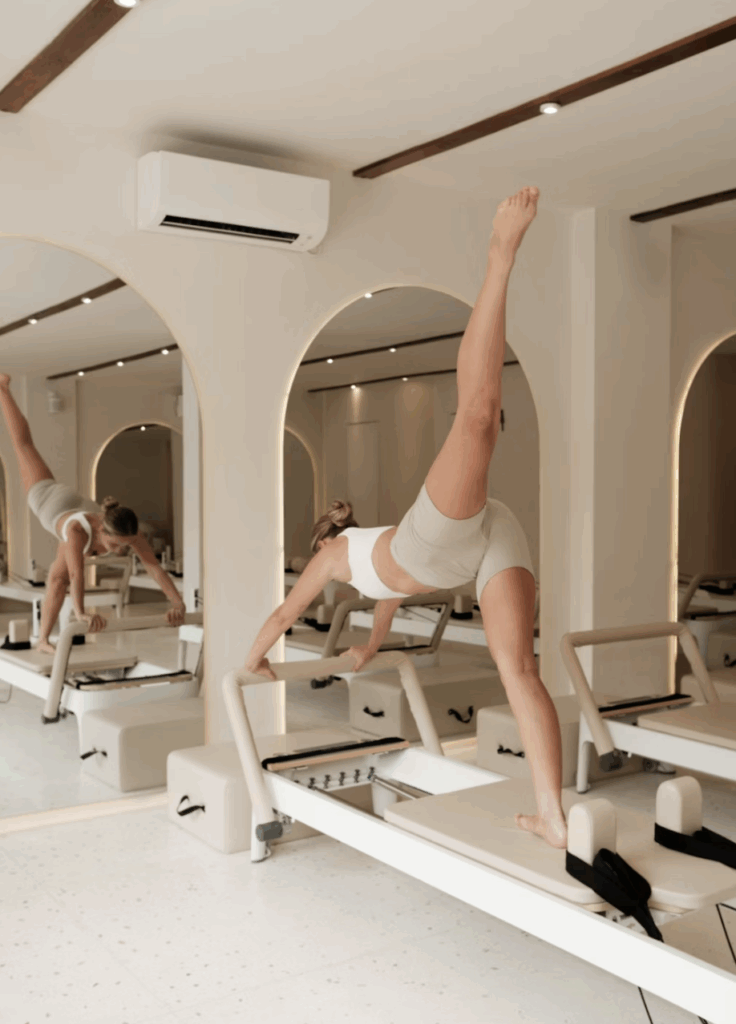
Reformer Pilates uses a sliding carriage, springs, and pulleys to create resistance. It introduces a dynamic range of motion and allows for more precise targeting of smaller muscles, often resulting in faster toning and deeper core engagement.
Both are effective—it’s about choosing what fits your lifestyle.
Why It’s Worth a Spot in Your Routine
If you’re looking to build core strength, improve flexibility, enhance posture, and feel more connected to your body, Pilates is a practice worth exploring. It’s subtle but powerful, slow but deeply effective.
And it complements other workouts beautifully—pair it with weight training, cardio, or yoga to create a truly balanced, resilient body.