

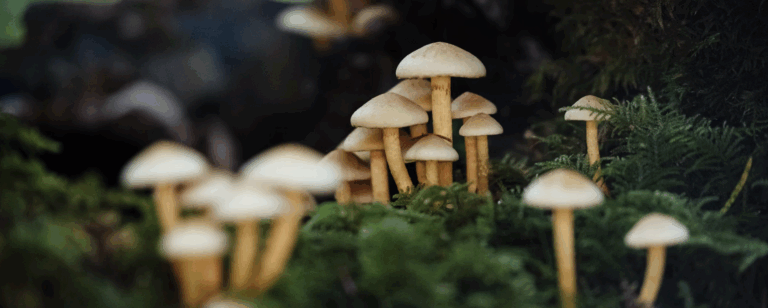
Once relegated to forest foraging and niche health food stores, mushrooms are having a major moment. But this isn’t about the humble white button mushroom tossed into stir-fries. It’s about potent extracts from medicinal mushrooms—like lion’s mane, reishi, chaga, cordyceps, and turkey tail—becoming the newest superstars in wellness circles.
So, what’s behind the mushroom renaissance? Let’s take a look at why these earthy wonders are suddenly showing up in everything from lattes to skincare—and why they might deserve a place in your wellness routine.
Nature’s Adaptogens
Medicinal mushrooms are known as adaptogens—natural substances that help the body adapt to stress and maintain balance. In today’s fast-paced, always-on culture, adaptogens offer a grounding counterbalance.
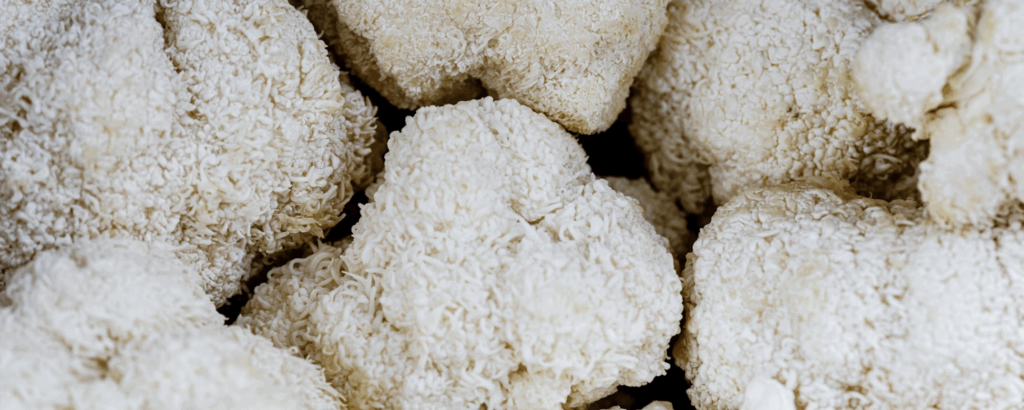
Each mushroom has its own profile of benefits. Reishi is revered for its calming, sleep-supporting properties. Lion’s mane is linked to enhanced cognitive function and neuroprotection. Cordyceps may support energy and endurance, while chaga is prized for its antioxidant content and immune support. Turkey tail has gained attention for its gut health and immune-modulating potential.
These fungi don’t just offer one-hit benefits—they work holistically, helping to harmonize multiple systems in the body.
From Forest to Functional Beverage
Perhaps the most intriguing aspect of mushroom extracts is how seamlessly they’ve been integrated into modern rituals. No longer tucked away in capsules or tincture bottles, mushrooms are showing up in chic, Instagrammable formats.
Think:
- Reishi cacao blends as part of a bedtime wind-down routine
- Lion’s mane coffee alternatives for focus without the jitters
- Chaga tea enjoyed like a slow-brewed tonic
- Adaptogenic lattes at boutique cafés
These aren’t just trends—they’re lifestyle shifts. As consumers grow more intentional about what they consume, they’re seeking nourishment that does more than taste good. Mushroom-based drinks, powders, and snacks check both boxes: ritual and function.
Backed by Ancient Wisdom & Modern Science
Medicinal mushrooms have deep roots in traditional Chinese medicine and Ayurveda. But what’s exciting is how current research is beginning to validate what ancient healers have known for centuries.
Studies are exploring lion’s mane’s role in neurogenesis, chaga’s antioxidant properties, and reishi’s potential for calming the nervous system. While more clinical trials are needed, the body of research is growing—and it’s promising.
This blend of ancestral wisdom and scientific inquiry is what makes mushroom extracts especially compelling. They’re not new—they’re rediscovered.
How to Choose the Right Mushroom for You
Navigating the world of mushroom supplements can feel like stepping into a spore cloud of choices. Start by identifying your intention:
Need better focus and brain clarity? Try lion’s mane.
Looking to unwind and de-stress? Reishi is your go-to.
Boosting immunity during seasonal changes? Turkey tail or chaga can help.
Need an energy lift without caffeine? Cordyceps may be your best bet.
When purchasing, opt for products that are certified organic, mention “fruiting body” (the most potent part), and are tested for purity. Quality matters when it comes to potency and safety.
One Spoonful at a Time
The beauty of mushroom extracts is that they don’t demand a dramatic lifestyle overhaul. You can begin simply—by stirring lion’s mane into your morning matcha or sipping reishi-infused tea before bed.
Over time, many people report not just better sleep or sharper thinking—but a greater sense of overall balance. That’s the quiet power of these natural allies: their ability to support you gently, consistently, and holistically.
In Our Opinion… Mushrooms Are the New Mindfulness
They’re earthy, intelligent, and ancient. They don’t just treat symptoms—they support systems. And in a world that often feels overstimulated and undernourished, mushroom extracts offer something rare: grounded resilience.
So yes—mushrooms are trending. But more than that, they’re timeless.
Feel Good. Live Well.
And maybe sip a little lion’s mane while you’re at it.